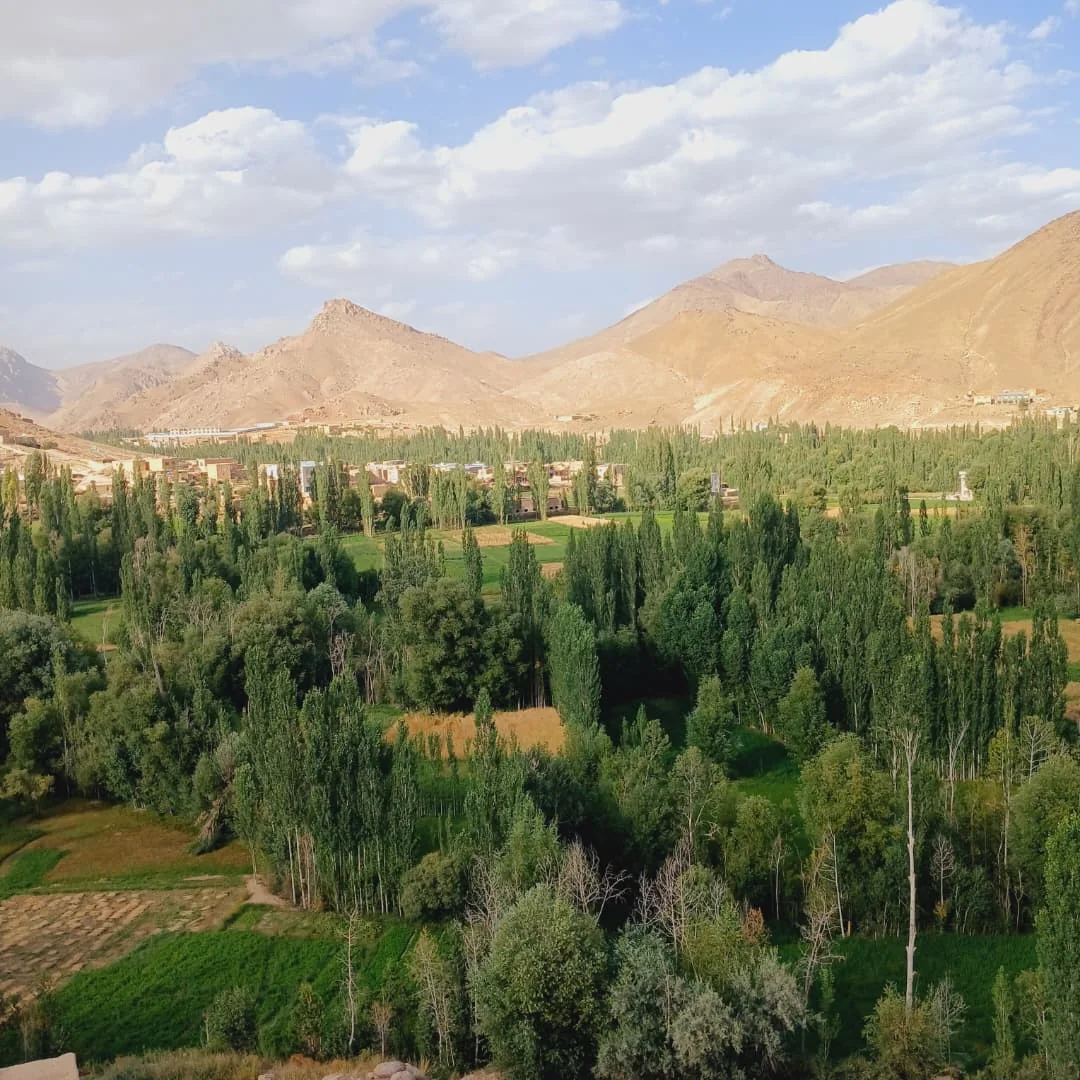
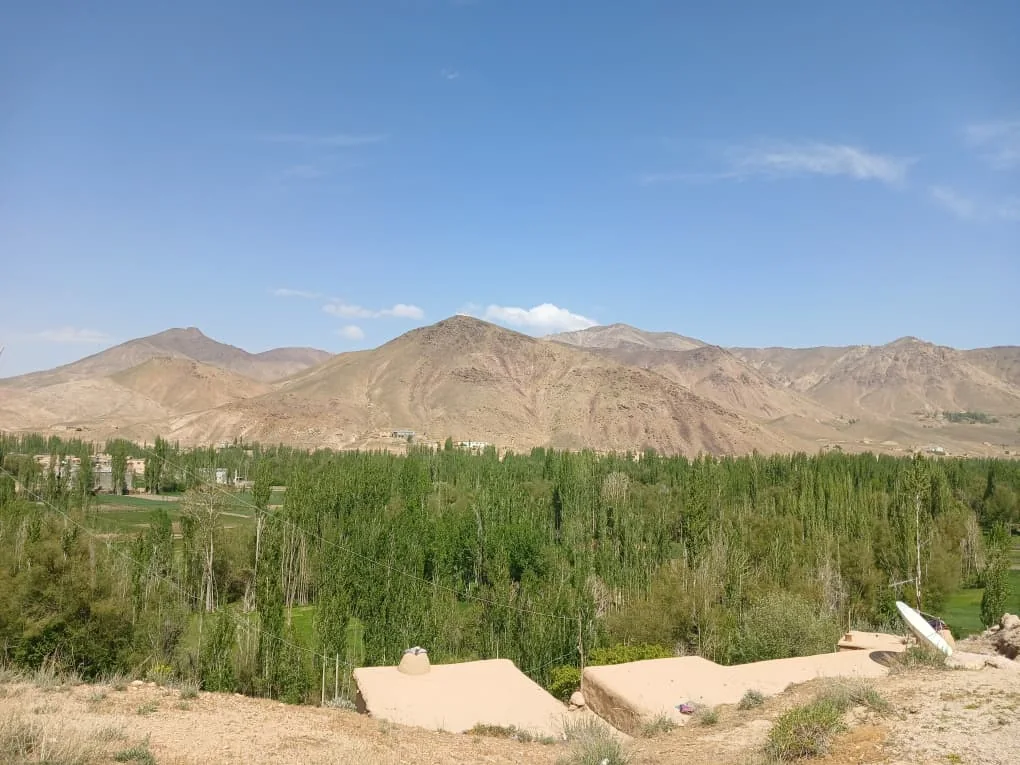
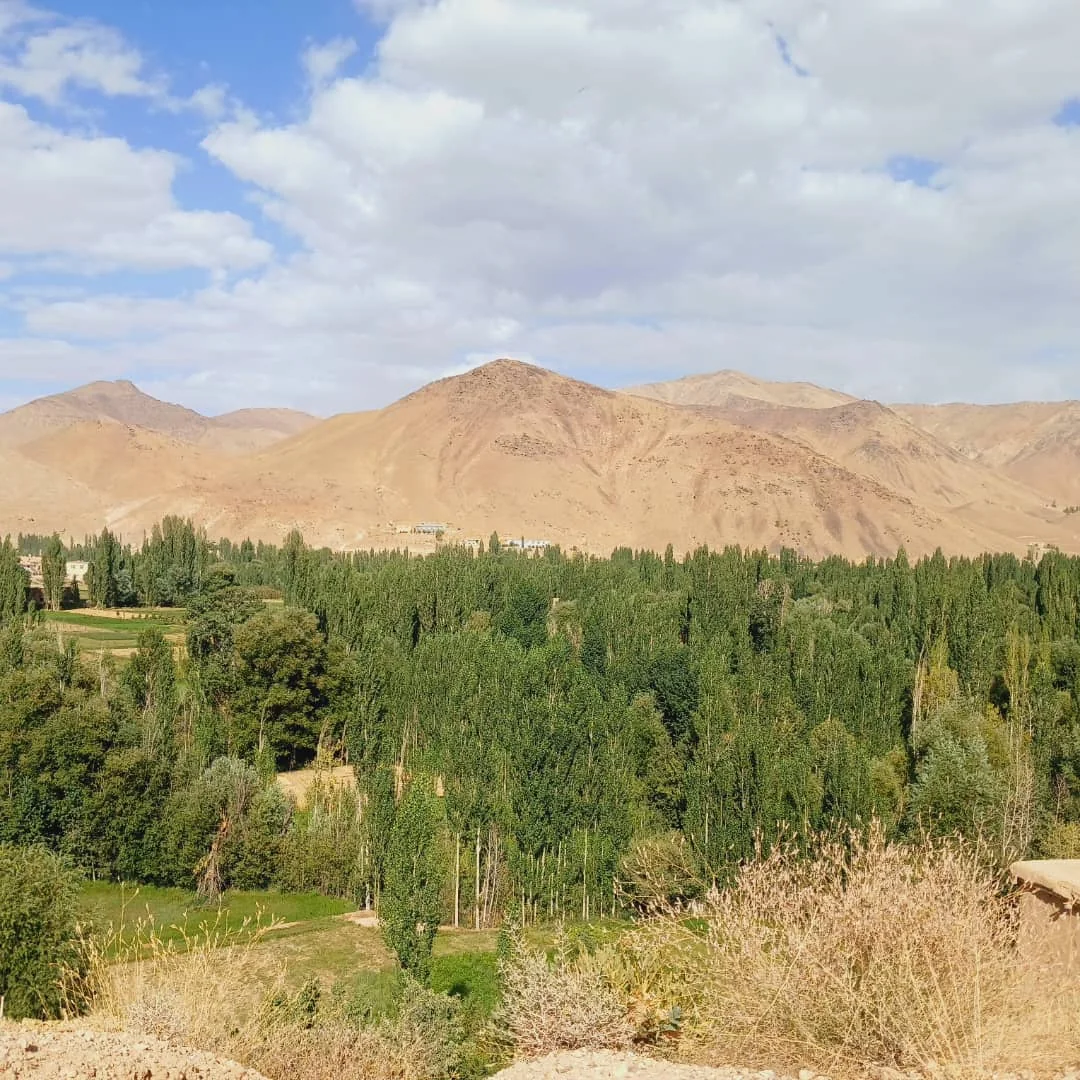
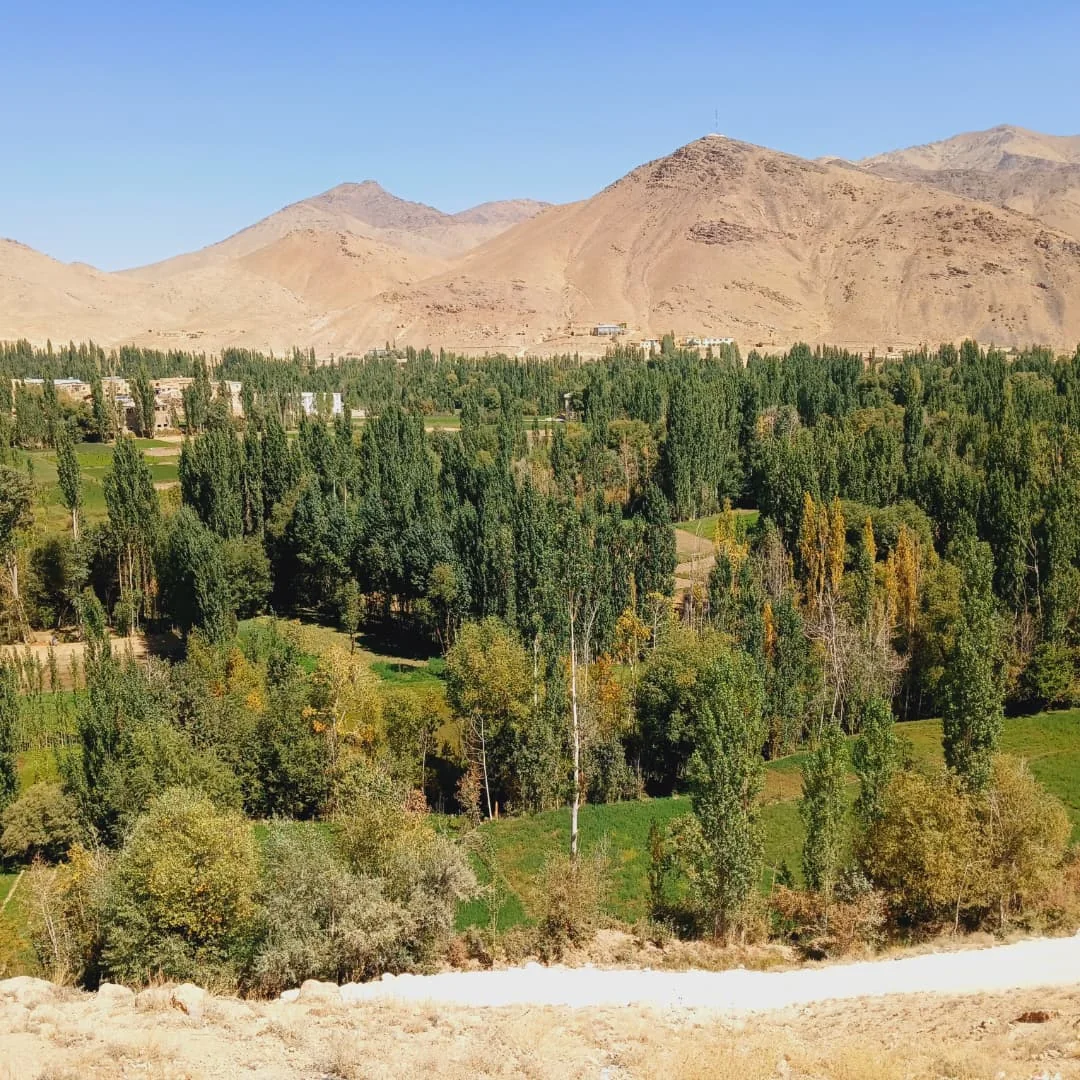
Poplar groves, green fields and village homes spread beneath the bare peaks of Malistan.
Live in MalistanGhazni, Afghanistan
Ghazni Province · Central Afghanistan

A mountain district in the heart of Hazarajat — its valleys and winters, its music and language, and the people who carry it home wherever they go.

Elevation

2,800m

Among Afghanistan's highest communities

Area

~1,978km²

Mountain valleys, pastures and seasonal rivers

Hazara

90%+

Part of the historic Hazarajat region

Named regions

9regions

Mir Adina, Maknak, Pashia, Sheer Dagh and more

Mir AdinaMaknakNow DehPashiaSheer DaghHazarajatGhazniمالستانNowruzHazaragi
Welcome home

A mountain district of quiet beauty and lasting resilience.

Malistan sits at 2,800 metres in the central highlands of Ghazni Province — part of Hazarajat, the historic Hazara homeland. Dramatic valleys, a living musical tradition, and a people whose devotion to education and community has never wavered.

Too many places like Malistan appear only in the margins of larger histories — visible in times of conflict, invisible in times of culture and everyday life. This archive is a small, careful act of correcting that: sourced, dated, and open to the community.

Why this archive exists
Life in Malistan

Life at 2,800 metres

Snow that closes the passes, a short and generous summer, and a culture that keeps people close.

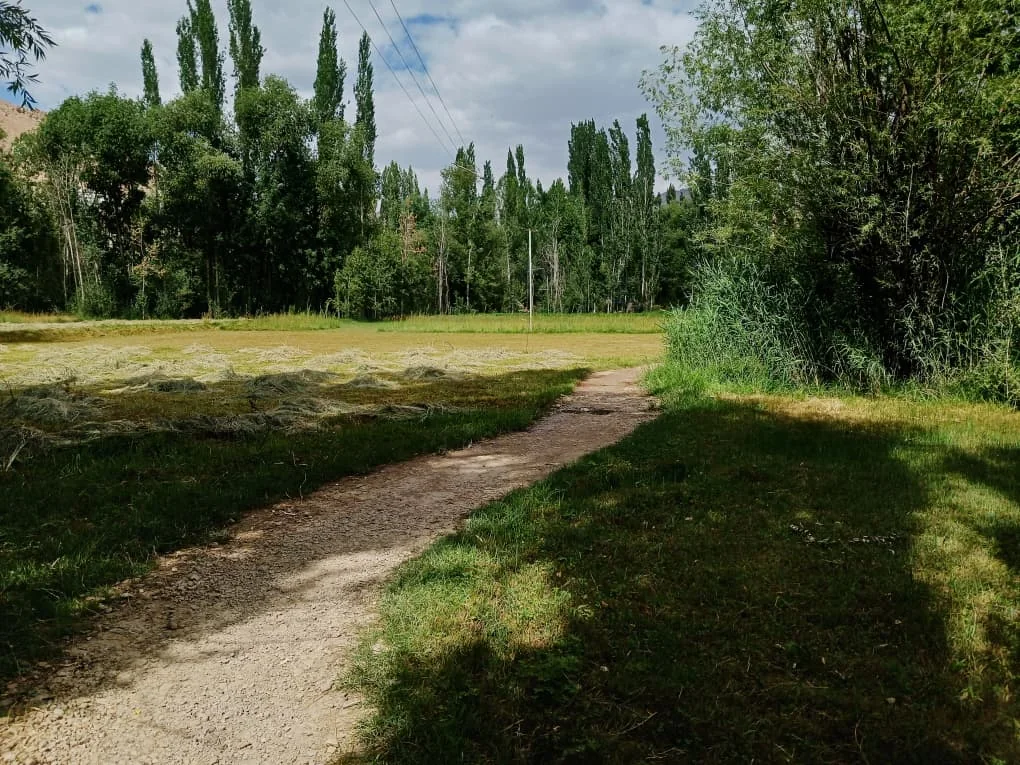
A footpath curves past a freshly cut hay field towards the poplars.Fields · Summer

Poplar-lined fields and quiet footpaths.

Hay dries in the sun beside the paths that link the villages, shaded by tall rows of poplars — the valley floor at the height of a short, intense summer.

Explore the landscape
هزارگی

Hazaragi

A variety of Dari with its own words and music, carrying proverbs and songs between generations.

The language

The village of songs

Now Deh is remembered for music shared across families — the roots of voices like Safdar Ali Malistani.

Meet the musicians

A short, generous season

WheatMaizePeasGrapesAlmondsPotatoes

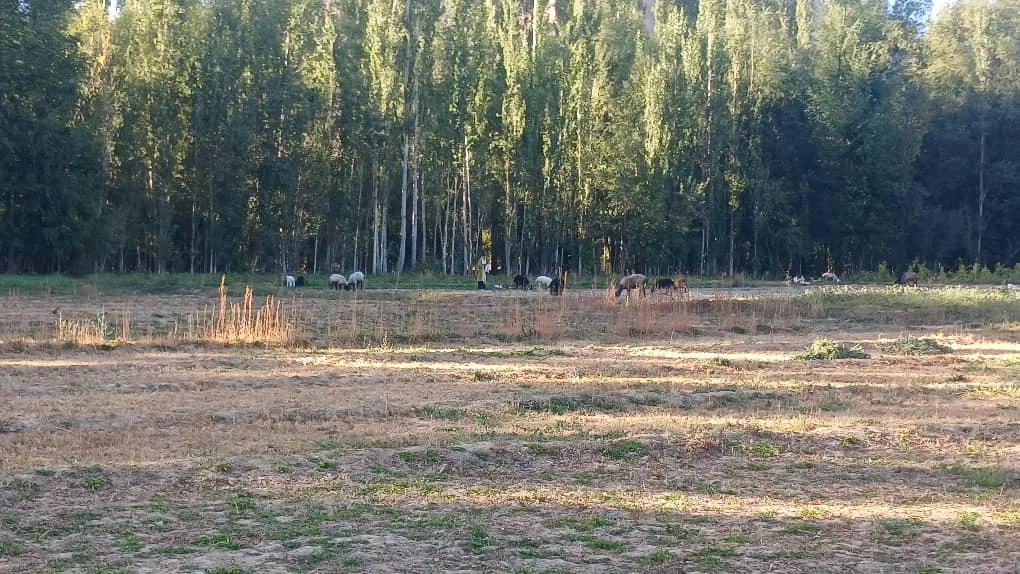
Highland sheep and goats graze the summer pastures above the fields.

Nammad & Glem

Felt and woven rugs from highland wool — patterns that change from village to village.

The craft
A year in Malistan

Four seasons, one rhythm

At 2,800 metres the calendar is written by the mountains. Choose a season to see how life moves through the valleys.

March – May

Nowruz and the first furrows

Nowruz, the Persian New Year, marks the end of winter's isolation. Roads reopen, families visit across the valleys, and the planting season begins.

  • Nowruz gatherings and shared meals
  • Mountain roads reopen
  • Fields are ploughed and sown
Photo archive

Through the lens

12 photographs of Malistan's valleys, fields, streams and seasons — and the collection is growing.

Open the gallery

Photographs shared by Rohullah Mohammadi, with two from Wikimedia Commons (CC BY-SA 4.0) · View credits

Find it on the map

Tucked between mountains and memory

The district centre, Mir Adina, anchors a web of high valleys linked by mountain roads that can close for weeks in deep winter.

NAjristanDistrict to the north
NENawurDistrict to the northeast
SJaghoriDistrict to the south
SWUruzganProvince to the southwest
33°18′N, 67°10′E · approximate centre
MalistanMir Adina · Ghazni
Illustration · not a boundary map
OpenStreetMap
Rohullah MohammadiSoftware developer · Founder of the Malistan Archive
Meet the founder
Malistan is more than a district in Ghazni. It is the place we carry with us wherever we go — I built this archive so that feeling has somewhere to live.

Rohullah Mohammadi is a software developer from Malistan who built this archive from the ground up — researching, writing and engineering every part of it — so his home district could have a thoughtful, lasting place on the internet, and an open invitation for the Malistan community worldwide to add, correct and grow it.

Software developerBuilt the Malistan ArchiveFrom Malistan, Ghazni
Grow the archive

Have a memory of Malistan to share?

A photograph, a family story, a voice recording, or someone whose contribution deserves to be remembered — every addition makes the archive richer for everyone who comes after.