The highlands of Ghazni
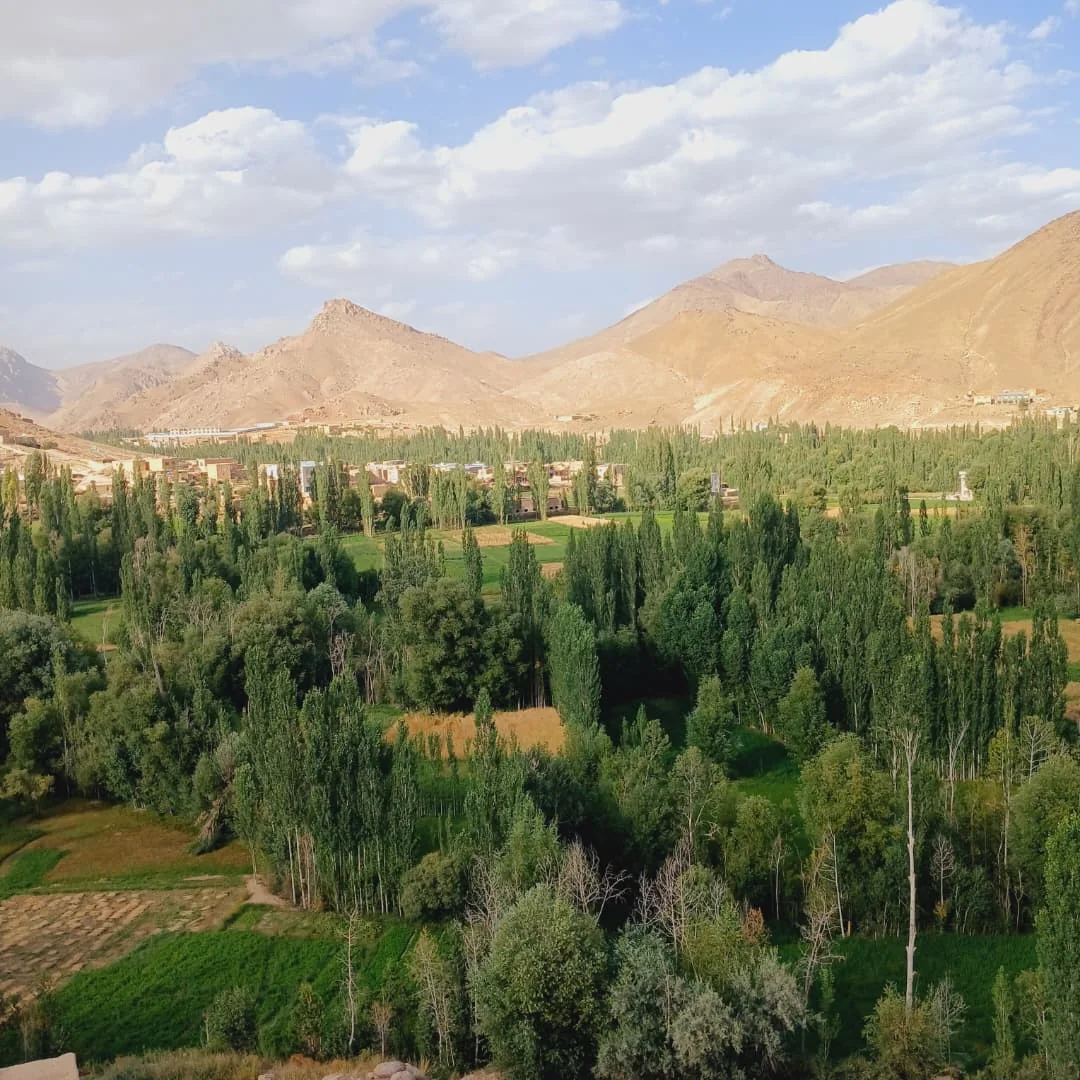
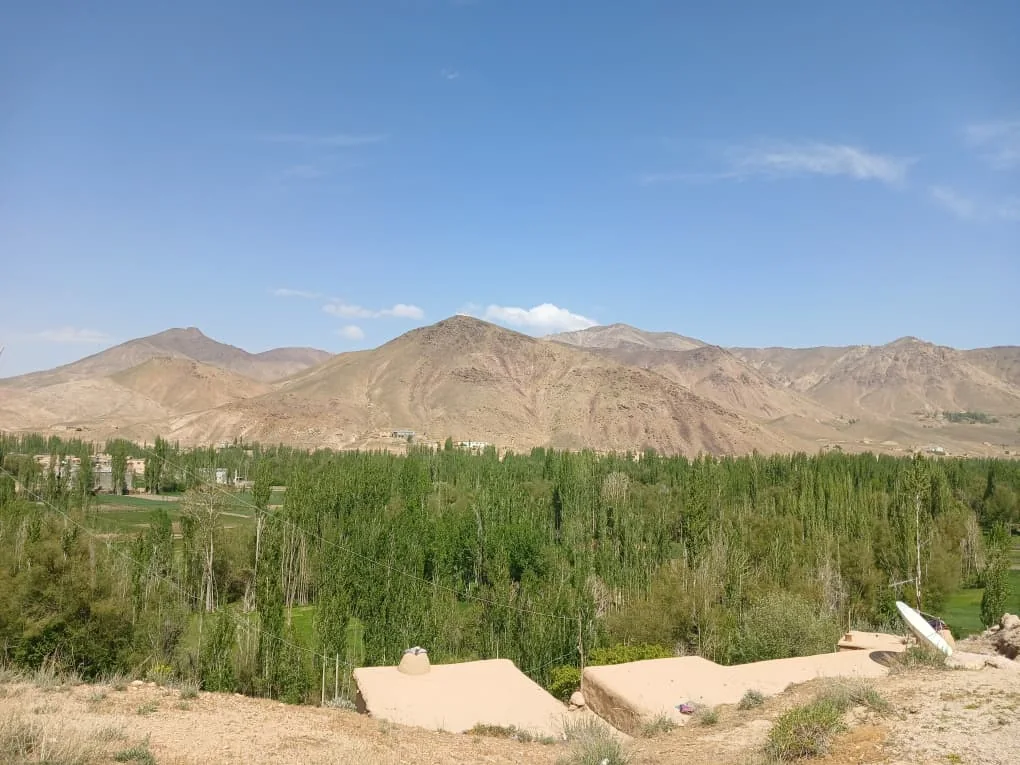
Malistan sits in the central highlands of Afghanistan's Ghazni province, also written Malestan, and in Dari as مالستان. The district lies at an elevation of roughly 2,800 metres (9,200 feet), placing it among Afghanistan's highest-altitude communities. Its area covers approximately 1,978 square kilometres of mountain terrain, valleys and seasonal watercourses. Coordinates place the district centre near 33°18′N, 67°10′E.
Wikipedia · Malistan district · Reference overviewThe Hazara homeland · Hazarajat
Malistan forms part of the broader Hazarajat region—the historic homeland of the Hazara people in central Afghanistan. During the period of Dost Mohammad Khan in the 1830s, Hazarajat operated as a semi-autonomous area, distinct from Kabul's direct authority. Malistan's population is predominantly Hazara, with some estimates placing that proportion at ninety percent or higher.
Wikipedia · Malistan district · Reference overviewA historical snapshot: 2003
A UNHCR district profile published in 2003 described Malistan as a mountainous area with nine named regions: Mir-a-Dina, Maknak, Pashia, Sheer Dagh and others. The report recorded proposals to reorganise the district into four sub-districts to ease access to courts and services, though these proposals had not been implemented at the time of publication. Population estimates from this period varied widely, with some figures suggesting around 100,000 to 150,000 residents.
UNHCR · Malistan district profile · 24 February 2003Displacement and the diaspora
During the Soviet-Afghan War and the subsequent Taliban period, significant numbers of Malistan's residents fled to neighbouring countries—primarily Iran and Pakistan—as refugees. UNHCR recorded the repatriation of approximately 3,801 residents through formal systems between 2002 and 2008, with the largest returns occurring in 2002 and 2003. Today, Malistan people form a significant diaspora community, maintaining connections to the district through family, remittances and cultural ties.
UNHCR · Malistan district profile · 24 February 2003Post-2001 reconstruction and hope
After the fall of the Taliban regime in 2001, Malistan entered a period of investment in education and community development. By 2008, some 182 Community Development Committees were reportedly active in the district. The commitment of local families to education during this period became something of a byword: observers noted that Hazara households would forgo basic comforts in order to send children to school.
Wikipedia · Malistan district · Reference overviewEveryday history matters, too
Family photographs, school records, letters and accounts of village life can tell stories that administrative reports overlook. This archive is intended to grow with those memories—with dates, names and permission from their owners. The residents of Malistan carry a history that no single document can contain.
Reading the record responsibly
Older reports reflect their own historical moment. They cannot tell us today's population, road access or public services. We keep source dates visible throughout this archive and leave uncertain details open for further documentation. Where accounts differ, we note the disagreement rather than choosing one version.